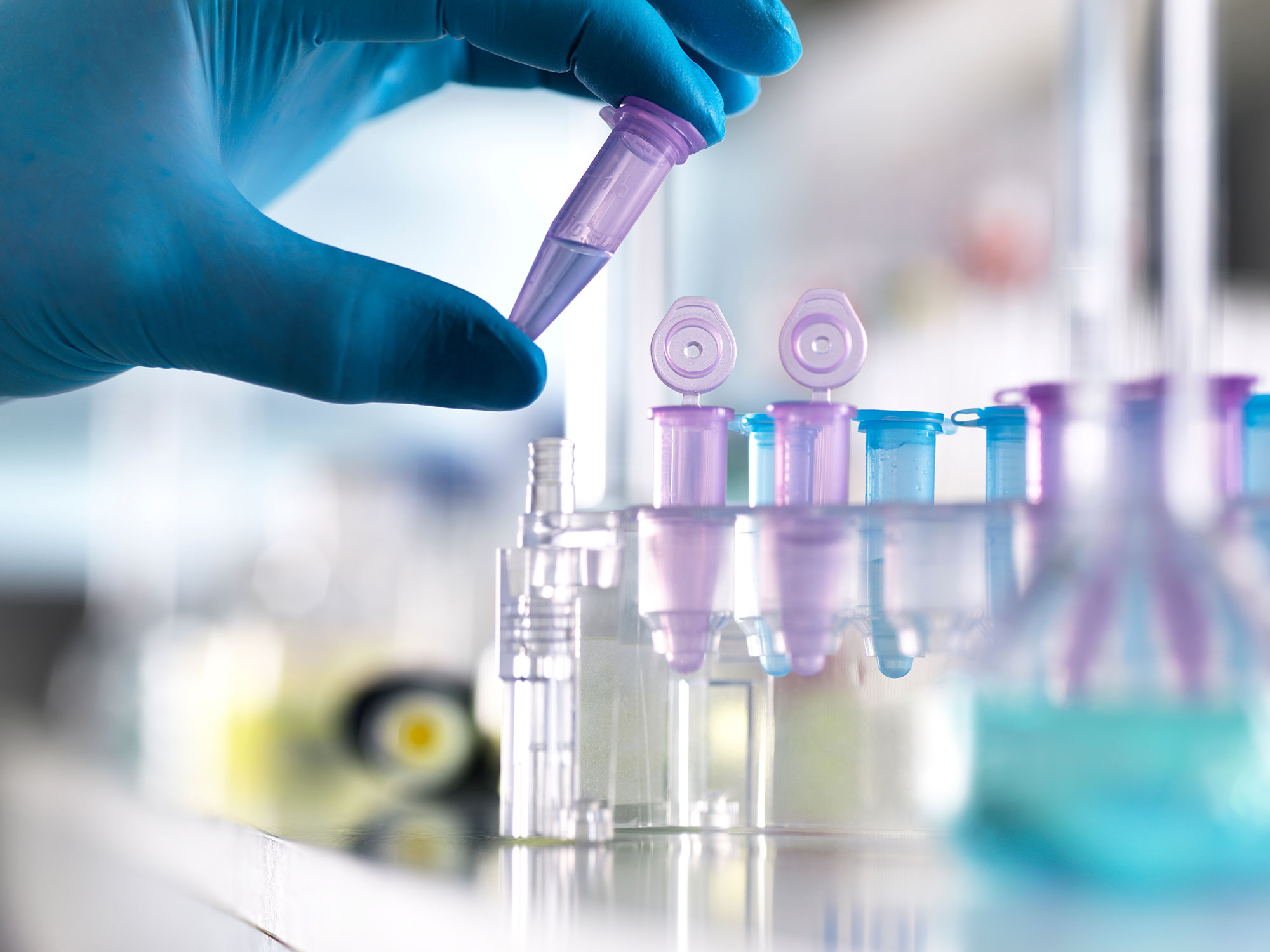
Restore your natural healing capacity — regenerative medicine that supports both wellness and beauty
Our bodies possess an innate ability to repair damage and adapt to changes in the environment. However, aging, stress, and illness can gradually decline this regenerative capacity. Stem cell supernatant therapy represents a new approach in advanced regenerative medicine, designed to enhance this intrinsic self-repair mechanism.
Unlike treatments that transplant stem cells directly into the body, this therapy utilizes supernatant rich in cytokines, growth factors, exosomes, and other bioactive molecules secreted during the stem cell culture process. These factors are believed to play key roles in cellular repair, inflammation control, and the promotion of new blood vessel formation, contributing to overall functional support and anti-aging benefits.
Since the supernatant does not contain actual cells, it offers a higher safety profile and lower treatment burden compared to stem cell transplantation. Applications range from beauty and skin health to chronic wellness concerns and preventative care, making it a highly anticipated the future of medicine.
At our clinic, we provide stem cell supernatant therapy under strict scientific and clinical standards, tailoring treatment plans to each individual’s condition and goals. We are committed to helping awaken your body’s natural regenerative power and support a healthier, more vibrant daily life.
-
Cytokines
Cytokines are signaling molecules that allow cells to communicate with one another. They act as internal “messengers,” supporting tissue repair, regulating inflammation, and helping coordinate immune function.
-
Exosomes
Exosomes are tiny vesicles secreted by cells that carry proteins and genetic material. They function like a biological “delivery system,” transporting information needed for repair and regeneration to other cells.
Expected Benefits of Stem Cell supernatant Therapy
Bioactive substances such as growth factors and cytokines secreted by stem cells may act directly on the body’s own stem cells and regenerative cells, supporting tissue repair and regeneration.
- Support for tissue and nerve repair
- Anti-inflammatory effect
- Antioxidant effect
- Support for wound healing
- Immune-modulating effects
- Reduction of oxidative stress
- Support for vascular regeneration and angiogenesis
- Aesthetic and skin-health benefits
-
Features of Our Stem Cell supernatant Therapy
-
-
Strict Source Verification and Use of High-Concentration supernatant
At our clinic, the origin of all stem cell supernatant used for treatment is fully verified and traceable.
We exclusively use products manufactured in certified domestic CPC (Cell Processing Centers), ensuring safety, quality, and complete traceability.
Additionally, we select only formulations supported by data demonstrating significantly higher concentrations of active components compared to other products, offering the potential for more reliable clinical benefit. -
Personalized Treatment Strategy Based on Component Analysis
At our clinic, we quantitatively evaluate the number of exosomes and the levels of growth factors (such as cytokines, FGF, and VEGF) contained in conditioned media.
Based on these data, we design an individualized treatment strategy for each patient by selecting the optimal type of conditioned media, administration method, and concentration according to the specific therapeutic goals, including regeneration, anti-inflammatory effects, skin rejuvenation, and neural repair.
-
-
Using Cellaster Products
from a Domestic Company in JapanAt our clinic, in providing treatment to patients, we use stem cell culture supernatant (adipose-derived, bone marrow-derived, and umbilical cord-derived) products manufactured by Cellaster Inc., a domestic company in Japan. We use domestically managed products for which quality is verified for each manufacturing lot.
-
-
Manufacturing and quality management by a domestic company
These products are standardized as research reagents by Cellaster Inc., which is based in Chuo City, Tokyo.
We use products supplied under a domestic quality management system. -
Virus and bacterial testing performed for every lot
For the products delivered to our clinic, the following tests are performed for each manufacturing lot, and we use only those that meet the specifications.
-
Viral negativity testing
Negativity is confirmed for major viruses including HIV-1/2, HBV, and HCV, as well as HTLV, CMV, PVB19, EBV, and WNV.
-
Sterility testing and mycoplasma negativity testing
We confirm no growth or reaction for bacteria, fungi, and mycoplasma.
-
Endotoxin testing
We confirm that endotoxin (bacterial toxin) levels are within the specification (≤0.25 EU/mL).
-
Viral negativity testing
-
Selection among three sources
At our clinic, we use Cellaster’s lineup (adipose-derived, bone marrow-derived, and umbilical cord-derived).
Based on the patient’s preferences, the physician will propose one of these products.
-
Risks & Side Effects
In rare cases, discomfort at the injection or IV site, minor bleeding, or nerve irritation may occur.
Allergic reactions are considered very uncommon; however, please inform us in advance if you have a history of allergic responses.
Disclosure that the Product Used Is an Unapproved Drug/Medical Product
The secretome used in this treatment is an unapproved drug/medical product in Japan. In accordance with the Medical Advertising Guidelines, we disclose the following information:
-
Unapproved drug/medical product
This treatment uses a drug/medical product that has not been approved under the Pharmaceuticals and Medical Devices Act in Japan.
-
Procurement route
It is procured from Celastar based on the attending physician’s clinical judgment.
-
Availability of approved products in Japan
There are no approved drugs/medical products in Japan that have the same ingredients or equivalent performance.
-
Information on safety, etc. in foreign countries
The stem cell culture supernatant used at our clinic has had no reports of serious adverse events in Japan or overseas to date, and it has been widely used at many medical institutions. However, due to the nature of biologically derived products, the following risks are theoretically not entirely ruled out:
- Allergic reactions and mild inflammatory responses (may occur rarely depending on individual constitution)
- Risk of infection (strict sterile control is implemented, but it cannot be stated as zero due to the nature of biologically derived products)
- Limitations of long-term data (as this is a relatively new treatment, long-term evidence is still insufficient)
At our clinic, we use only supernatant products with quality control intended exclusively for medical institutions, and treatment is provided after careful evaluation of indications by a physician. If you have any concerns, please feel free to consult us.
-
Not covered by the relief system for adverse drug reactions
Unapproved drugs/medical products used in this treatment are not eligible for relief under the Adverse Drug Reaction Relief System or the Relief System for Infections and Other Injuries from Biologically Derived Products.
Price List
The 3-session course is valid for 3 months.
-
Bone marrow–derived supernatant
1ml 150,150Yen 2ml 300,300Yen 1 vial × 3-session course 330,000Yen -
Umbilical cord–derived supernatant
1ml 150,150Yen 1 vial × 3-session course 330,000Yen -
Adipose-derived supernatant
1ml 69,300Yen 5ml 231,000Yen 1 vial × 3-session course 165,000Yen
Medical Expense Deduction
Although stem cell therapy at our clinic is provided as private, non-insured medical care, it may be eligible for Japan’s medical expense tax deduction if it is received for the purpose of treating illness or injury.
Please note that eligibility varies depending on individual circumstances and the judgment of the tax authorities.
For further details, please consult the tax office or a certified tax accountant.
Clinical Applications of Stem Cell supernatant
-
Intravenous Administration
-
(1) supernatant is diluted into an IV solution and slowly infused into a vein. The diverse cytokines contained in the supernatant are believed to activate cells in areas of tissue stress or damage, potentially supporting improvement in age-related functional decline. While this therapy is not intended to treat disease, it may support tissue environments, cellular metabolism, and overall biological resilience, complementing conventional care and wellness strategies.
(2) A key characteristic of stem cell supernatant is its potential to support repair in areas of tissue need. As weakened cells receive supportive signals, improvements may appear gradually and differ depending on the individual and target tissues. With regular treatment, benefits such as healthy aging support, scalp and hair maintenance, and overall wellness may be expected.
- Cardiovascular disorders
- Liver disorders
- Respiratory disorders
- Kidney disorders
- Support for metabolic complications such as diabetes-related conditions
-
Intranasal Administration for Brain (Nasal spray)
-
The active components contained in supernatant typically cannot cross the blood-brain barrier when administered via standard IV infusion. Therefore, for individuals with neurological conditions or age-related cognitive decline, intranasal (nasal spray) delivery is used to support access to the central nervous system.
- Support for memory and cognitive function
- Supportive care for post-stroke neurological symptoms
- Adjunctive support for Parkinson’s disease
-
Treatment Frequency
-
Response varies from person to person, and some patients may notice benefits after the very first session. Many patients report meaningful results after approximately 5 to 6 treatments.
Stem cell supernatant can be administered via IV infusion, localized injections, intra-articular injections, or topical application. It is believed to exert therapeutic effects through multiple mechanisms, including growth factors, immunomodulatory signals, anti-inflammatory mediators, and neuroregenerative factors, as well as by supporting activation of the body’s own stem cells.
| Types of Cytokines | Primary Functions |
|---|---|
| Vascular Endothelial Growth Factor (VEGF) | Hair growth support, follicle stimulation, prevention of capillary rarefaction |
| Epidermal Growth Factor (EGF & family) | Improvement in pigmentation and dullness, enhanced epidermal turnover, reduction in fine lines and wrinkles |
| Keratinocyte Growth Factor (KGF) | Promotes hair growth and follicle regeneration |
| Insulin-Like Growth Factor (IGF) | Skin regeneration, wrinkle reduction, improvement in firmness and elasticity |
| Platelet-Derived Growth Factor (PDGF) | Stimulates cell proliferation and tissue repair/regeneration |
| Transforming Growth Factor (TGF-β, TGF-α family) | Anti-inflammatory effects, wound healing, and cellular regeneration |
| Hepatocyte Growth Factor (HGF) | Supports tissue repair and regenerative activation |
| Ciliary Neurotrophic Factor (CNTF) | Stimulates proliferation and activation of neural stem cells |
| Glial Cell Line-Derived Neurotrophic Factor (GDNF) | Promotes neural cell differentiation and growth, supports dopamine uptake |
| Nerve Growth Factor (NGF) | Supports neurotransmitter synthesis, neuronal survival, repair after injury, cognitive function, and neuroprotection |
| Brain-Derived Neurotrophic Factor (BDNF) | Supports neuronal survival and growth, contributes to cognitive health and dementia prevention |